One hidden network—with the flick of a switch—could have turned New York City’s cellphones into dead bricks as world leaders converged for the UN General Assembly.
Story Snapshot
- The Secret Service dismantled the largest SIM farm ever found in the U.S., capable of crippling NYC’s cellular and emergency communications during a global summit.
- Over 100,000 SIM cards and 300 servers were seized from abandoned buildings across the city, neutralizing a threat never before seen at this scale.
- The operation thwarted potential chaos and disruption for millions—just as security stakes reached their annual peak.
- The incident exposes new vulnerabilities in America’s urban digital lifelines and signals a reckoning for telecom security policy.
Secret Service Neutralizes Unprecedented Threat During UN General Assembly
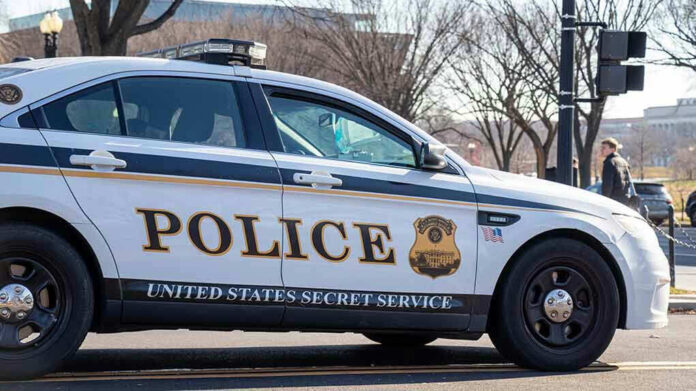
Senior U.S. officials began receiving telephonic threats, prompting a full-scale investigation. The Secret Service, always vigilant during the annual United Nations General Assembly, quickly traced the digital breadcrumbs to a series of abandoned apartment buildings scattered throughout the New York Tri-State Area. Inside, agents discovered a labyrinth of blinking servers and SIM cards, silently poised to unleash citywide chaos. The threat wasn’t just theoretical—this network had the capacity to transmit 30 million text messages per minute, a digital barrage that could have overwhelmed cell towers and blacked out emergency lines at the worst possible moment.
For three weeks the Secret Service coordinated raids across five sites, each one a digital powder keg. This was not a typical cybercrime operation. Agents found over 100,000 SIM cards slotted into racks, all controlled by more than 300 dedicated servers—an arsenal designed for one purpose: mass disruption. Officials later confirmed that if these devices had been triggered, New York’s cellular network could have buckled, cutting off millions from communication, including first responders and world leaders attending the UN summit.
The Anatomy of a Modern Urban Threat: SIM Farms and Citywide Disruption
SIM farms have long been tools of fraudsters and spammers, but never before had American law enforcement encountered one built for mass infrastructure sabotage. These devices, capable of impersonating thousands of phone users simultaneously, can flood networks with calls and messages, effectively jamming cellular signals. The Secret Service’s discovery marked the largest seizure of its kind in U.S. history, and the timing—during the most security-intensive event on the city’s calendar—was no coincidence. The sophistication and scale of the operation suggest motivations well beyond petty crime, pointing instead to actors intent on extortion, disruption, or worse.
Special Agent Matt McCool, who led the investigation, put it plainly: “This network had the potential to disable cell phone towers and essentially shut down the cellular network in New York City.” The implications were stark. Emergency services, reliant on mobile networks for dispatch and coordination, could have been paralyzed. The economic and political fallout, with dozens of heads of state in town, would have been incalculable. Federal law enforcement moved swiftly, ensuring that the threat was neutralized before it could be weaponized.
Ripple Effects: Security, Policy, and the Fragility of Urban Infrastructure
With the immediate threat neutralized and the devices seized, attention has shifted to the broader lessons of this near-miss. The operation has triggered a wave of anxiety—and scrutiny—across the telecom industry. Questions abound: How did such a network go undetected for so long in America’s largest city? What new policies are needed to monitor, regulate, and secure the technology underpinning daily life? Experts warn that the incident represents not just a singular threat, but a harbinger of future attacks exploiting the same vulnerabilities.
Cybersecurity analysts and law enforcement professionals alike stress the importance of interagency cooperation, especially during high-profile events that draw global attention. Some suggest that the United States will need to coordinate internationally to harden telecom infrastructure against similar threats. For now, the swift action of the Secret Service has spared New York City—and the world’s diplomats—a communications blackout. But the episode has underscored just how fragile the connective tissue of modern urban life can be.
Sources: