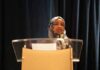
A viral meme became a federal case when a 23-year-old woman who described her Somali identity as “kind of like bananas and rice” found herself arrested on charges of assaulting the very federal agents she claimed had abused her.
Story Snapshot
- Nasra Ahmed went viral on January 21, 2026, for an awkward identity metaphor at a press conference where she alleged ICE misconduct and assault
- Federal agents arrested Ahmed and 15 others on January 28, 2026, charging them under 18 U.S. Code § 111 for assaulting federal officers
- Attorney General Pam Bondi personally announced the Minneapolis arrests and shared names and images of those charged on social media
- The charges directly contradict Ahmed’s claims that she was the victim of federal agent brutality during her detention
When Viral Fame Meets Federal Charges
Nasra Ahmed stood before cameras in St. Paul, Minnesota, attempting to articulate what being Somali meant to her. Her answer transformed her into an internet sensation for all the wrong reasons. The phrase “it’s kind of like bananas and rice” became instant meme fodder across Reddit, Instagram, and Facebook, overshadowing her serious allegations against Immigration and Customs Enforcement. Ahmed claimed agents detained her for two days, hurled racial slurs, and assaulted her to the point of concussion. The awkward metaphor made her message a punchline rather than a rallying cry.
Seven days later, the narrative flipped entirely. Federal agents swept through Minneapolis and arrested sixteen individuals, with Ahmed among them. The Department of Homeland Security painted a starkly different picture than the one Ahmed presented at her press conference. According to DHS, Ahmed did not suffer abuse at the hands of federal agents but instead participated in assaulting and impeding them during the very encounter she described as victimization.
The Attorney General Takes Center Stage
Pam Bondi did not delegate this announcement to a press secretary or issue a standard Department of Justice statement. The Attorney General traveled to Minneapolis personally and posted from the scene on X, formerly Twitter. Her message carried the weight of federal authority and public shaming combined. Bondi confirmed that federal agents had arrested sixteen Minnesota rioters for allegedly assaulting federal law enforcement officers who were resisting and impeding agents in their duties. She attached names and images, ensuring maximum visibility for those charged.
The public nature of Bondi’s announcement transformed routine federal charges into a spectacle. By sharing arrestee photos on social media, she amplified the case beyond typical law enforcement channels. For Ahmed, already a meme thanks to her bananas and rice comment, this meant double exposure: ridiculed online for her words and now publicly identified as a federal defendant. The contrast between her victim narrative and federal assault charges created the kind of irony that conservative commentators and social media users eagerly dissected.
What Federal Law Says About Assaulting Officers
Title 18 United States Code Section 111 addresses assaults on federal officers or employees. The statute covers forcibly assaulting, resisting, opposing, impeding, intimidating, or interfering with designated officials performing their duties. Convictions can carry substantial prison time depending on the severity of the assault and whether weapons were involved. The charges against Ahmed and her co-defendants fall squarely within this framework, suggesting federal prosecutors believe they have evidence of physical confrontation rather than peaceful protest.
The law does not require serious injury to secure a conviction, only proof that defendants knowingly engaged in conduct that impeded federal officers. If Ahmed’s encounter with ICE agents involved physical resistance or obstruction, prosecutors have a straightforward path to conviction regardless of her claims about agent misconduct. The victim-perpetrator role reversal hinges entirely on what evidence federal investigators gathered about the January encounter that led to both her initial detention and subsequent arrest.
The Minneapolis Context and Immigration Enforcement
Minneapolis and neighboring St. Paul host one of the largest Somali-American populations in the United States, creating a unique dynamic around immigration enforcement. When federal agents conduct operations in this region, they navigate not just legal issues but deeply rooted community tensions. Ahmed’s case unfolds against this backdrop, where ICE activities frequently spark protests and accusations of targeting based on ethnicity rather than immigration status violations.
Bananas & Rice Somali Gets Arrested?! | Drew Hernandez https://t.co/WusZh5DL4y
— The Gateway Pundit (@gatewaypundit) January 29, 2026
Ahmed’s arrest alongside fifteen others suggests federal authorities view the January 28 operation as targeting organized resistance rather than random individuals. The collective charging decision implies prosecutors see a pattern of coordinated action to impede federal law enforcement. Whether this represents legitimate prosecution of violent resistance or overreach against immigration activists will likely become a focal point as cases proceed through federal court. Ahmed faces not just legal jeopardy but the challenge of rebuilding credibility after her viral moment and arrest undermined her initial allegations.
Sources:
Bananas & Rice Somali Gets Arrested?! | Drew Hernandez – The Gateway Pundit