How did a single edit in a BBC documentary provoke a $5 billion legal threat from Donald Trump, upend the BBC’s leadership, and ignite a cross-Atlantic media firestorm that could reshape how news is reported on powerful figures?
Story Snapshot
- Donald Trump threatens to sue the BBC for up to $5 billion, claiming defamation over a misleading edit of his January 6 speech.
- The BBC issues a rare public apology but denies legal wrongdoing, while its top leadership resigns amid the fallout.
- Legal experts say Trump’s lawsuit is unlikely to succeed, yet the episode raises deeper questions about media accountability and freedom.
- The dispute exposes the high-stakes risks and complexities of international news coverage in a polarized political era.
Trump, the BBC, and the High Cost of an Edit
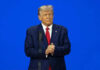
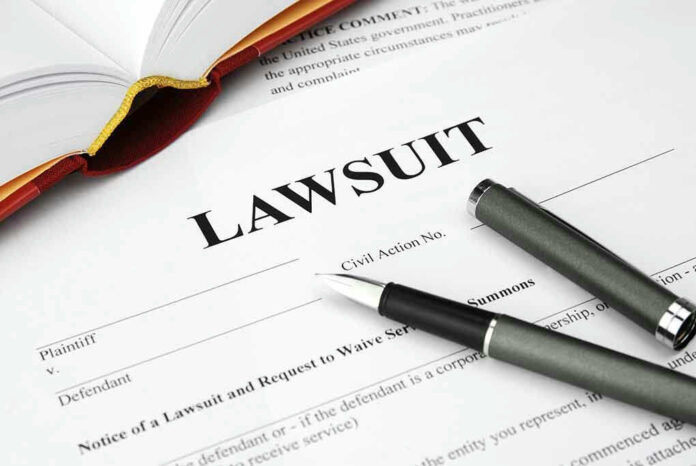
Donald Trump’s threat to sue the BBC for as much as $5 billion is not just a legal maneuver; it’s a direct challenge to the boundaries of editorial practice in an era when every frame of news footage can become a battleground. The spark? A Panorama documentary aired ahead of the 2024 U.S. election, which stitched together segments of Trump’s January 6, 2021 speech. Trump claims this edit twisted his intent, damaging his reputation at a critical political moment. The BBC’s public apology—an exceedingly rare act—suggests the edit was more than a minor misjudgment. But the broadcaster flatly denies Trump’s claim of defamation, setting up an extraordinary confrontation between a former U.S. president and the United Kingdom’s most prominent state-funded news outlet.
This episode unfolded in the shadow of a broader crisis. A leaked dossier from a BBC adviser, published by the Daily Telegraph, criticized not only the Panorama edit but also broader lapses in editorial standards. Facing mounting public and political scrutiny, the BBC’s director general and head of news resigned within days, signaling a leadership shakeup rarely seen in its storied history. Trump, sensing both vulnerability and opportunity, announced his intention to file suit imminently, promising to seek damages on a scale that would dwarf any previous defamation battle involving a U.S. politician and a foreign news entity. Whether or not the case reaches court, the reputational stakes for both sides are immense.
Media Accountability in the Crosshairs
The BBC’s apology is a remarkable admission. For decades, the broadcaster has defended its editorial independence and impartiality, especially regarding coverage of contentious U.S. political figures. By apologizing for the misleading edit, the BBC has opened itself to scrutiny not only from Trump and his supporters but from media critics across the spectrum. The controversy has already led to resignations at the highest level and could prompt far-reaching reforms in editorial compliance and oversight. Yet, while the BBC admits the edit was a mistake, it steadfastly rejects the charge that it amounted to defamation or malicious intent. This distinction may prove crucial as legal and public debates unfold.
Legal experts on both sides of the Atlantic overwhelmingly doubt Trump’s chances of winning, let alone collecting, a multibillion-dollar judgment in the United Kingdom. British defamation law is strict, but the hurdles for a public figure—especially a former U.S. president—are considerable. Enforcing any judgment across borders would be even more challenging. Still, the lawsuit threat alone has already had a chilling effect, prompting media organizations to reexamine their editorial procedures and risk management when reporting on high-profile or litigious subjects. If the dispute escalates, it could set new precedents, not just for the BBC, but for global newsrooms confronting similar legal and reputational hazards.
Long-Term Fallout: Who Wins and Who Loses?
In the short term, the BBC faces a credibility crisis that extends far beyond one documentary. Its leadership turmoil and public apology have fueled suspicions of bias among critics in the United States and the United Kingdom, while emboldening those who argue for stricter media accountability. Trump, for his part, seizes the moment to reaffirm his longstanding narrative of media victimization, energizing supporters and distracting from other legal and political challenges. The case amplifies polarization in an already divided media landscape, with each side framing the dispute as proof of their core beliefs about truth, bias, and power.
Over the longer term, this confrontation could reshape the landscape of international journalism. News organizations may become more cautious in their coverage of controversial figures, wary of legal action and public backlash. The chilling effect on investigative reporting is a real risk, potentially limiting the press’s ability to hold public figures to account. At the same time, calls for greater transparency and editorial rigor may spur overdue reforms. The BBC’s ordeal stands as a cautionary tale of how a single editorial decision, magnified by politics and litigation, can reverberate through institutions, legal systems, and the public trust in news itself. As the story develops, the world will be watching to see not just who wins in court, but who emerges with their credibility—and their future—intact.