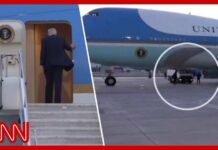


When U.S. forces quietly seized an oil tanker off Venezuela’s coast, they did more than redirect crude; they redrew the boundaries of economic warfare in real time.
Story Snapshot
- The U.S. military took control of a foreign merchant ship carrying oil linked to Venezuela.
- The operation signaled an escalation in the Trump administration’s pressure campaign on Nicolás Maduro.
- The move blended military power, sanctions policy, and maritime law in an unusually public way.
- The tactic raises long-term questions about precedent, sovereignty, and energy geopolitics.
Why This Tanker Seizure Was Anything But Routine
U.S. forces do not usually storm commercial tankers on the high seas, which is exactly why this operation jolted diplomats, traders, and defense analysts. Taking a merchant ship triggers complicated questions: who owns the cargo, which sanctions apply, and what message Washington wants to send. This was not a random piracy bust. It was a deliberate, highly visible move aimed squarely at Nicolás Maduro’s grip on Venezuela’s most valuable asset, its oil.
US Forces Seize Oil Tanker off Coast of Venezuela – Tensions Escalatehttps://t.co/mI0mic4kcU
— NexSouk (@NexSouk) December 11, 2025
How Maduro’s Oil Lifeline Became a Strategic Target
Maduro’s regime depends on oil exports to keep hard currency flowing and loyalists paid, even as Venezuela’s economy collapses. When the United States charged Maduro with narcoterrorism, it did more than brand him a dictator; it framed him as a criminal actor in global markets. Using the military to intercept a tanker fits that framing. Oil moving under opaque flags, shell companies, and circuitous routes suddenly became fair game for interdiction rather than just financial sanctions.
Blurring Lines Between Sanctions, Law Enforcement, And Military Force
Most sanctions regimes rely on lawyers, regulators, and banks to choke off money, not armed sailors boarding steel hulls in contested waters. Seizing a merchant tanker blurs those lines. Washington effectively told shipowners, insurers, and captains: if you help Maduro move sanctioned crude, you are not just risking paperwork problems, you are inviting a boarding party. That aligns with a common-sense conservative view that laws mean little without real enforcement that carries visible consequences.
The Message To Allies, Adversaries, And The Shipping World
Every capital with a stake in energy trade read this move differently. U.S. allies saw a signal that Washington was willing to shoulder the political risk of direct enforcement, not just issue stern statements. Governments sympathetic to Maduro saw a warning that their tankers and traders might be next if they continued to serve as his economic lifeline. The shipping industry, typically cautious and profit-driven, suddenly had to factor in the possibility that a routine voyage could turn into a military incident.
Risk, Precedent, And The Conservative Question Of “What Next?”
Conservative skepticism naturally asks whether a powerful precedent now exists for future administrations that may not share the same restraint. If the United States can seize a tanker linked to an accused narcoterrorist regime, could a less principled government stretch that authority for ideological or environmental crusades? The merits of this particular operation rest on clear charges and a rogue regime, but the long-term health of the rule of law requires consistent, limited, and well-justified use of such force.
Why This Case Will Shape Future Economic Warfare
Economic pressure campaigns used to live mostly in spreadsheets and diplomatic cables; now they unfold on radar screens and ship tracking apps. The tanker seizure off Venezuela offers a glimpse of future conflicts where dollars, data, and destroyers interact. Policymakers who favor strong borders, clear laws, and energy independence will see opportunity here if the United States pairs muscular enforcement with prudence, transparency, and a firm commitment to avoiding mission creep on the open sea.
Sources:
Retired colonel breaks down video of US forces seizing oil tanker off Venezuelan coast