
The line between public shame and public redemption is sometimes crossed with a single phone call—and for Darryl Strawberry, that call came from Donald Trump.
Story Snapshot
- Darryl Strawberry publicly credited Trump’s pardon and his faith for his turnaround during a Tulsa church sermon.
- The story weaves together sports celebrity, presidential power, and spiritual rebirth in a single, headline-grabbing event.
- Strawberry’s journey from scandal to sobriety is now a template for faith-based redemption narratives in America.
- The event highlights how political figures leverage high-profile acts of mercy to influence and engage faith communities.
Redemption, Politics, and the Pulpit: A Collision in Tulsa
November 23, 2025, Sheridan Church, Tulsa, Oklahoma. A packed congregation watches as Darryl Strawberry—once the pride and then the cautionary tale of New York baseball—stands at the pulpit. But this is not a sports story. It’s a testament, a confession, and a thank you—a convergence of faith, celebrity, and presidential authority. Strawberry, who once dominated stadiums and tabloid headlines for all the wrong reasons, draws a direct line from his past transgressions to his present freedom. He doesn’t just credit God; he names Donald Trump as the earthly agent of his deliverance.
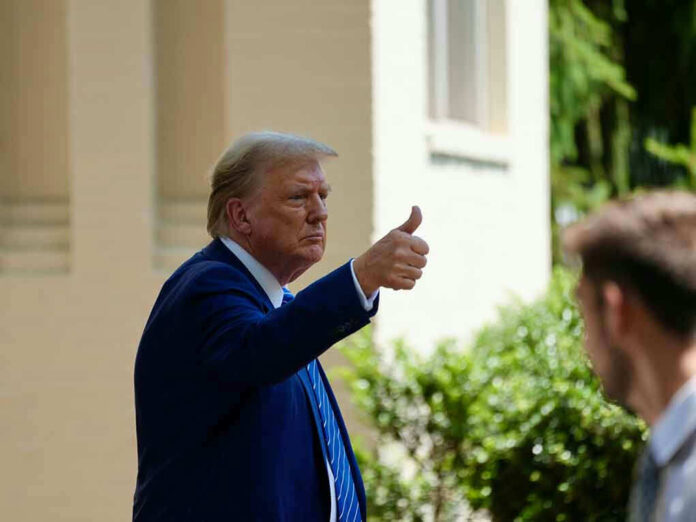
Strawberry tells the congregation that on November 6, he received a call from Trump. The president informed him that he would be pardoned for his old tax evasion and drug-related charges. Strawberry doesn’t mince words: “God just completely set me free when he gave me a pardon from President Donald J. Trump. Other presidents had opportunities, but they didn’t do it.” The crowd responds not with polite applause, but with roaring approval, as if witnessing a home run in extra innings. For the faithful, it’s not just a pardon. It’s a miracle delivered through a familiar, controversial messenger.
The Backstory: From World Series Glory to Prison Walls
Darryl Strawberry’s biography reads like a cautionary epic. He won four World Series titles, yet his career was shadowed by drugs, legal trouble, and a spectacular fall from grace. In 1999, he pleaded guilty to tax evasion. By 2002, he was serving 11 months for violating probation. Public sympathy waned as the scandals piled up, but so did Strawberry’s determination to find a way out. His appearance on “Celebrity Apprentice” in 2010 connected him with Trump, but it was Strawberry’s later work as a Christian minister that recast his narrative. The church in Tulsa, led by Pastor Jackson Lahmeyer—a figure known for bridging politics and faith—became the stage for Strawberry’s public rebirth.
Presidential pardons for athletes are rare. Pardons for athletes who make their gratitude a spiritual spectacle are rarer still. The decision to stage this thank you in a church known for its political activism was calculated. Lahmeyer, founder of Pastors for Trump and a player in faith-based political circles, understands how stories of redemption can rally a congregation and create headlines. He facilitated Strawberry’s moment, knowing full well the power of a public act of forgiveness.
The Mechanics of Mercy: Who Gains and How
Trump’s pardon of Strawberry is not an isolated gesture. It’s a move in a larger game where political capital is gained by aligning with high-profile stories of second chances. Trump, who cultivates influence among evangelical and faith-driven voters, found in Strawberry a perfect vessel: a fallen star, a repentant sinner, and a public recommitment to Christian values. The timing—well after Strawberry’s legal troubles were national news, but just as he became a voice for faith-based recovery—was no accident. Trump’s act delivered legal relief to Strawberry and reinforced his own narrative as a president who rewards transformation and loyalty.
Ex-Mets star Darryl Strawberry talks Trump pardon during church sermonhttps://t.co/qsWSlLWyLk
— PhillyPhan #🟦 (@MyPhillyPhan) November 24, 2025
For Strawberry, the pardon is more than paperwork. It’s a seal of legitimacy and a closing of old wounds. For the Sheridan Church congregation—and the broader faith community watching nationwide—it’s a validation that no one is beyond redemption if they embrace faith and seize the right political connection. For Pastor Lahmeyer, it’s another example of his church serving as a crossroads for faith and power, where testimonies become tools for engagement and mobilization.
Ripples in Faith, Sports, and Politics
The short-term consequences are immediate: Strawberry’s image gets a polish, Trump’s relationship with faith voters is spotlighted, and Sheridan Church cements its reputation as a stage for headline-making testimonies. National media run with the story, amplifying its themes of forgiveness and transformation. The longer-term implications are less clear but potentially profound. Strawberry’s tale may encourage other public figures to seek mercy and redemption through similar channels. It also raises questions about the messaging power of the pulpit when wielded by ministers with political ambitions.
Supporters frame the pardon as a just reward for personal transformation. Critics scrutinize the motives behind such high-profile acts of clemency, questioning whether faith and personal connection now outweigh the merit of the case. Yet for many Americans, the image of Strawberry—athlete, sinner, preacher—publicly thanking Trump in a house of worship is a potent symbol of both the promise and complexity of redemption in public life.