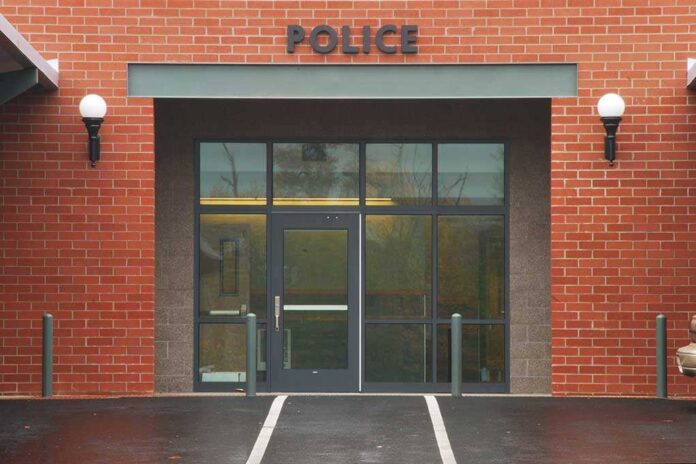
Nine police officers and forensic experts died in what authorities call an “accidental” explosion while examining confiscated explosives at a Kashmir police station, raising serious questions about safety protocols in one of the world’s most volatile conflict zones.
Story Snapshot
- Forensic team examining seized explosives triggered deadly blast at Kashmir police station
- Nine killed and 27 injured in what officials classify as accidental detonation
- Incident occurs amid heightened security following New Delhi terror attack
- Explosion highlights dangerous reality of handling confiscated munitions in conflict zones
When Safety Protocols Meet Deadly Reality
The explosion ripped through the police station on Friday night as forensic experts conducted what should have been a routine examination of confiscated explosives. Instead of uncovering evidence that might prevent future attacks, the very materials meant to protect civilians became instruments of destruction. The blast killed nine people and wounded 27 others, transforming a secure facility into a scene of devastation that underscores the precarious balance between security operations and public safety.
This tragedy exposes a harsh truth about counterinsurgency operations: the weapons seized from militants continue to pose lethal threats long after capture. Police stations across Kashmir routinely store confiscated explosives, ammunition, and improvised devices, creating potential powder kegs in populated areas. The forensic examination process, designed to catalog and analyze these materials for intelligence purposes, becomes a high-stakes gamble with lives hanging in the balance.
Kashmir’s Explosive Legacy Strikes Again
The timing of this disaster carries particular weight. Earlier that week, a car bomb exploded in New Delhi, classified by authorities as a terror attack and prompting intensified security sweeps across Indian-administered Kashmir. These operations typically yield significant caches of weapons and explosives, all requiring storage and analysis. The police station that suffered Friday’s blast had become a repository for these dangerous materials, a common practice in regions where militant activity remains persistent.
Since 1989, Kashmir has endured decades of insurgency against Indian rule, creating an environment where security forces regularly encounter sophisticated explosive devices. The region’s police stations have evolved into de facto armories, housing everything from crude bombs to military-grade munitions. This incident reveals the inadequacy of current storage and handling procedures, suggesting that the very success of counterterrorism operations may be creating new vulnerabilities.
The Human Cost of Procedural Failures
The victims of this blast were not soldiers in combat or civilians caught in crossfire—they were professionals doing their jobs, following established protocols that proved fatally flawed. Forensic experts and police officers died while attempting to make their communities safer, a bitter irony that highlights the personal sacrifices made by those serving in conflict zones. Their deaths represent more than statistical casualties; they embody the ongoing human toll of Kashmir’s unresolved tensions.
The broader implications extend beyond immediate grief and loss. Public confidence in police competency faces erosion when the very institutions meant to provide security become sources of danger. Local communities, already living under the shadow of potential militant attacks, now must contend with the possibility that nearby police facilities pose their own risks. This psychological burden adds another layer to an already complex security environment.
Systemic Changes Demand Immediate Attention
This disaster should catalyze comprehensive reform of explosive handling procedures across Indian security forces. Current protocols clearly fail to account for the unique challenges of examining unstable or deteriorating munitions. Specialized facilities, enhanced training programs, and strict separation of storage and examination functions represent essential first steps toward preventing similar tragedies. The cost of implementing such measures pales compared to the price of continued negligence.
The international community has developed sophisticated protocols for explosive ordnance disposal and forensic analysis of terrorist materials. India’s security apparatus must embrace these best practices rather than relying on improvised solutions that endanger lives. Kashmir’s volatile situation demands excellence in security procedures, not makeshift arrangements that transform police stations into accidental bombing sites. Nine deaths should mark the end of such dangerous shortcuts, not merely another tragedy in an already bloody conflict.
Sources:
DW – India deadly blast rips through a Kashmir police station
PNA – Blast at police station in Indian Kashmir kills nine, injures 27