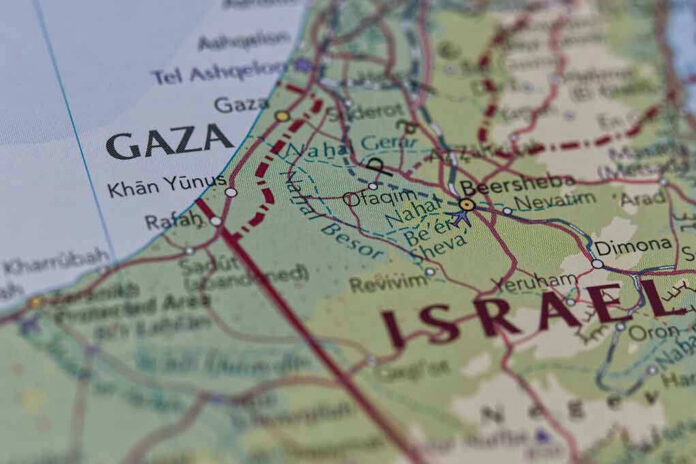
In the heart of Gaza, a humanitarian crisis is unfolding, one that challenges the very essence of morality and justice—and it’s time the world pays attention.
At a Glance
- Latin Patriarch Pierbattista Pizzaballa condemns Gaza’s humanitarian situation as morally unacceptable.
- Israeli blockade and military operations have devastated Gaza’s infrastructure, leading to severe humanitarian crises.
- Nearly 900 Gazans killed recently while seeking food, highlighting the dire conditions.
- International calls for ceasefire and unimpeded humanitarian access grow louder.
The Humanitarian Catastrophe in Gaza
The Gaza Strip remains a flashpoint of conflict and suffering, with a humanitarian crisis that has reached catastrophic levels. Since Hamas’s takeover in 2007 and the subsequent Israeli blockade, the region has been trapped in a cycle of deprivation and violence. The situation escalated drastically after the October 2023 attacks by Hamas, resulting in a relentless Israeli military response. This has left Gaza’s infrastructure in ruins, severely restricting access to food, medicine, and other essentials.
The numbers paint a grim picture: over 50,000 Palestinians have lost their lives, and more than 125,000 have been injured. Hospitals are overwhelmed, water systems have collapsed, and food supply chains are hanging by a thread. The blockade’s tightening since March 2025 has exacerbated these issues, making humanitarian aid deliveries sporadic and insufficient. The emergence of the US-Israeli-run Gaza Humanitarian Foundation, which bypasses traditional aid organizations, has not mitigated the crisis but rather added to the chaos.
A Moral Outcry
Latin Patriarch Pierbattista Pizzaballa recently visited Gaza and was appalled by the suffering he witnessed. He described the situation as “morally unacceptable and unjustified,” joining a chorus of international voices demanding urgent action. The United Nations, World Health Organization, and International Rescue Committee have echoed these sentiments, calling for an immediate ceasefire and unimpeded humanitarian access.
The humanitarian crisis has reached a point where nearly half a million people in Gaza are at risk of famine. Children are particularly vulnerable, with reports of 57 children dying from malnutrition since March 2025. The moral imperative to act is clear, yet the political and logistical barriers remain formidable. While the Israeli government cites security concerns as justification for the blockade, humanitarian organizations argue that the measures are disproportionate and collectively punish the civilian population.
The Human Cost
As of July 2025, attempts to access food have turned deadly, with nearly 900 Gazans killed while trying to secure sustenance. Many of these deaths have occurred near Gaza Humanitarian Foundation aid hubs, which have become flashpoints of desperation and violence. On July 14, 2025, an Israeli military shelling incident at a GHF site in Rafah resulted in fatalities, underscoring the perilous conditions civilians face when seeking aid.
These incidents highlight the dangers of privatizing aid distribution, as seen with the GHF, which has led to deadly outcomes and undermined coordinated humanitarian efforts. The UN and humanitarian agencies continue to report widespread hunger, disease, and lack of medical care, painting a bleak picture of life in Gaza. The international community’s response has been varied, with some nations supporting Israel’s security measures and others advocating for an immediate ceasefire and humanitarian intervention.
The Path Forward
The humanitarian crisis in Gaza has far-reaching implications, both immediate and long-term. The risk of famine looms large, threatening further mass casualties among the population. The social fabric of Gaza is at risk of irreversible damage, with economic collapse and political ramifications for all involved parties. Humanitarian workers face heightened risks, and the credibility of aid organizations is challenged by the current conditions.
Latin Patriarch Pizzaballa’s condemnation reflects a growing international consensus that the situation in Gaza is morally indefensible. As calls for a ceasefire grow louder, the world must grapple with the need for a balanced approach that addresses security concerns while ensuring the humanitarian needs of Gaza’s civilians are met. The path forward requires cooperation, compassion, and a commitment to upholding international norms that protect the innocent and vulnerable.
Sources:
International Rescue Committee