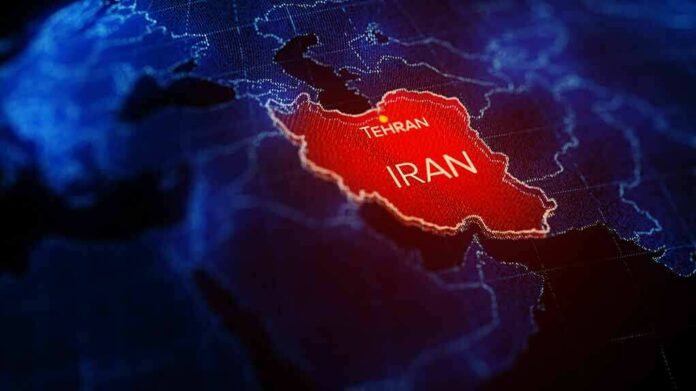
Iran’s top clerics have issued a chilling death warrant against President Trump and Prime Minister Netanyahu, declaring them “enemies of God” and mobilizing Islamic followers worldwide to pursue their assassination.
Key Takeaways
- Grand Ayatollah Naser Makarem Shirazi has issued a fatwa labeling President Trump and Israeli Prime Minister Netanyahu as “enemies of God,” effectively authorizing their assassination.
- The fatwa declares that anyone threatening Iranian leadership is considered a “mohareb” (warlord) and forbids Muslims or Islamic states from supporting such enemies.
- The religious decree enables Iranian security forces to detain anti-regime dissidents, potentially leading to severe penalties including death, crucifixion, and exile.
- This proclamation follows military conflicts where Israel and the U.S. launched airstrikes on Iranian targets, and Iran retaliated with missile strikes on Israeli cities.
- President Trump responded by stating he had previously spared Ayatollah Khamenei’s life and was considering sanctions relief before Iran’s hostile rhetoric changed his mind.
Iran’s Deadly Religious Decree
In a dramatic escalation of tensions in the Middle East, Grand Ayatollahs Naser Makarem Shirazi and Hossein Nouri Hamedani have issued fatwas that effectively place death warrants on President Donald Trump and Israeli Prime Minister Benjamin Netanyahu. These religious edicts, which carry significant weight in Shia-majority Iran, explicitly label the two leaders as “enemies of God” and call upon Muslims worldwide to make these enemies “regret their words and mistakes.” The pronouncement represents one of the most direct threats against American and Israeli leadership in recent years.
The fatwa specifically states: “Any person or regime that threatens the Leader or Marja (May God forbid) is considered a ‘warlord’ or a ‘mohareb’,” said Grand Ayatollah Naser Makarem Shirazi. Under Islamic law, being designated a “mohareb” can carry severe penalties, including death, crucifixion, or exile. The declaration further specifies that “Any cooperation or support for that enemy by Muslims or Islamic states is haram or forbidden. It is necessary for all Muslims around the world to make these enemies regret their words and mistakes.”
Military Conflict and Retaliation
This religious decree follows a period of intensified military conflict between Iran, Israel, and the United States. Israel has conducted airstrikes that killed several of Iran’s top military commanders and scientists involved in the nation’s nuclear program. Iran retaliated with missile strikes on Israeli cities, triggering a broader conflict. The United States, under President Trump’s leadership, joined Israel’s efforts by launching precision airstrikes on Iranian nuclear facilities before a ceasefire was eventually reached.
“Enemies of God,” declared Grand Ayatollah Naser Makarem Shirazi, applying this ominous label to President Trump and Prime Minister Netanyahu in his recent fatwa.
The conflict expanded when Iranian forces attacked an American military installation in Qatar, demonstrating Iran’s willingness to directly confront U.S. interests in the region. These military exchanges have created a dangerous environment where religious decrees like the recent fatwa can further inflame tensions and potentially inspire violent actions against the named targets.
Internal Control and Suppression
Beyond its international implications, the fatwa serves a domestic purpose for the Iranian regime. By labeling Trump and Netanyahu as “enemies of Allah” and calling their opponents “warriors of Allah,” the regime empowers its internal security apparatus to crack down on dissidents. The decree effectively provides religious justification for detaining anyone perceived as sympathetic to America or Israel, allowing the government to strengthen its grip on power during a time of heightened tensions.
“Any cooperation or support for that enemy by Muslims or Islamic states is haram or forbidden. It is necessary for all Muslims around the world to make these enemies regret their words and mistakes,” stated Grand Ayatollah Naser Makarem Shirazi, effectively calling for global action against President Trump and Prime Minister Netanyahu.
Some analysts have compared this recent fatwa to a notorious 1988 decree by Ayatollah Khomeini that led to mass executions of political prisoners. The pattern of using religious edicts to justify political violence raises serious concerns about the potential for both domestic repression and international terrorism. Iran has a history of using fatwas to mobilize global action, most infamously with the 1989 fatwa against author Salman Rushdie, which led to decades of threats and attacks.
President Trump’s Response
President Trump has responded forcefully to the Iranian threats, revealing that he had previously spared Ayatollah Khamenei’s life and was considering sanctions relief for Iran before their threatening rhetoric changed his mind. This revelation highlights the complex diplomatic calculations at play in U.S.-Iran relations and underscores President Trump’s willingness to shift between diplomatic and military approaches based on Iran’s behavior. The administration has consistently maintained a firm stance against Iranian aggression while leaving room for potential diplomatic breakthroughs.
As of this reporting, there has been no official response from the Israeli government regarding the fatwa. The historical pattern suggests that Israel will remain vigilant against potential threats while continuing its strategic operations against Iranian military capabilities and nuclear facilities. The fatwa places additional pressure on both nations’ security services to protect their leaders from potential assassination attempts inspired by this religious proclamation.
With tensions at dangerous levels and religious justifications being issued for violence against America’s president, the situation demands continued vigilance and strength from U.S. leadership. The Iranian regime’s willingness to openly call for the assassination of foreign leaders demonstrates the ongoing threat posed by the world’s leading state sponsor of terrorism.