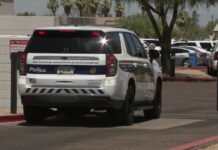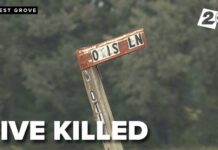


Two Queens churches were firebombed in one night, and the suspect was caught soon after with more Molotov cocktails in his bag.
Quick Take
- Police say a 36-year-old man threw Molotov cocktails at two religious buildings in Queens.
- Investigators also say he may be tied to a third nearby attack.
- Police recovered two additional Molotov cocktails when they arrested him.
- Mainstream reports say charges were still pending, and no injuries were reported.
What Police Say Happened
According to police reporting, the first attack hit Iglesia Bautista El Mesias in Ozone Park just before midnight. The second followed a short time later at a Kingdom Hall of Jehovah’s Witnesses in Woodhaven. Both devices caused only small fires or brief explosions, and neither building suffered serious damage.
Police later arrested the suspect in a nearby deli, which gave the case a fast, almost cinematic ending. But the most important detail is not the chase. It is the evidence chain. Reporters said surveillance video showed the suspect throwing the devices, and police said they found two more Molotov cocktails in his bag.
What Is Confirmed and What Is Not
The confirmed facts are plain enough. Multiple outlets reported the attacks, the arrest, the recovered devices, and the lack of injuries. ABC7NY also reported that investigators believe the same suspect may be connected to a third location. That widens the case and suggests this was not seen as an isolated outburst.
What is not confirmed is just as important. The loudest claims in the framing, including the phrase “Illegal Alien from Guyana” and the quoted confession, do not appear in the mainstream reports provided here. Those reports also describe the case as still developing, with charges pending and no public court filing quoted in the coverage.
Why the Missing Pieces Matter
When a case is this inflammatory, the public wants the whole story at once. But law enforcement cases move in stages. Early reports often rely on police sources, surveillance footage, and arrest details before formal charging papers are released. That means the strongest public claims are the ones tied to what officers said they saw, found, or documented.
Yogesh Sayrange, a jihadist from Guyana, is the serial fire bomber that has been wanted for seven firebomb incidences as well as knife and axe attacks. He was arrested in New York City after setting a second church on fire with his explosives last night. He was hiding in New York… https://t.co/2CO1nf8ePF
— Gillian McIntosh (@Gillienise) July 10, 2026
The gap between viral framing and published reporting matters because it changes how readers judge the event. The facts here are serious enough without added rhetoric. A firebombing of churches is a direct attack on places of worship, and the reported evidence suggests investigators had more than suspicion. Still, the public record shown here does not support every claim circulating around the case.
How This Case Fits a Larger Pattern
Attacks on houses of worship have a long and ugly history in the United States. The Department of Justice has said the National Church Arson Task Force opened investigations into 670 arsons, bombings, or attempted bombings at houses of worship since the mid-1990s. That history explains why even a limited attack can trigger outsized concern. Churches are not just buildings. They are symbols.
This is also why official documents will matter so much as the case moves forward. If prosecutors file a complaint, affidavit, or indictment, those papers should clarify identity, motive, and the exact evidence. Until then, the safest reading is narrow and factual: police say a man was arrested after a Molotov cocktail spree against Queens religious buildings, with more devices found on him and no one hurt.
Sources:
thegatewaypundit.com, nydailynews.com, nypost.com, abc7ny.com, youtube.com
© restoreamericanglory.com 2026. All rights reserved.