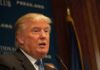
Even world champions aren’t immune to the dangers of racial profiling and aggressive policing, as seen in the shocking incident involving Terence Crawford.
Story Snapshot
- World champion boxer Terence Crawford was held at gunpoint by police after his victory parade.
- The incident raises serious questions about racial profiling and police conduct.
- Crawford’s security team feared for their lives during the police encounter.
- The event, captured on video, has sparked widespread public debate.
Police Stop Overshadows Celebration
Terence Crawford’s recent boxing victory should have been a moment of pure triumph and community celebration. Instead, the festivities in Omaha turned into a scene of tension and fear. After the parade honoring his achievement, Crawford and his security team faced a police stop that quickly escalated. Officers drew their weapons, ordering the group out of their vehicle at gunpoint. This incident, alarming in its nature, has been captured on video, drawing significant media attention and public scrutiny.
The timing of the stop, right after a public celebration, adds a layer of irony and injustice to the situation. Crawford, a respected athlete with a clean public image, found himself in a position many would consider unthinkable for someone of his stature. The event highlights the precariousness faced by Black athletes, regardless of fame or success, in their interactions with law enforcement.
Context of Racial Profiling
Omaha, Nebraska, like many American cities, has a complex history of racial tensions and policing controversies. Crawford’s experience is not an isolated incident but part of a broader pattern of racial profiling that affects Black individuals disproportionately. This pattern has been the subject of national dialogue, especially following numerous high-profile cases involving Black Americans and law enforcement. The incident involving Crawford underscores these ongoing issues, prompting calls for examination and reform.
The broader implications of this event are significant. It challenges the perception of safety and equality for Black individuals in public spaces. It also raises questions about the protocols and decision-making processes within police departments, particularly concerning how they interact with minority communities.
Reactions and Public Outcry
The public reaction to the incident has been intense. Crawford’s security team has been vocal about their fear, stating that the situation felt life-threatening. Their testimony is a stark reminder of the dangers that can arise in routine police encounters. The video evidence has amplified these concerns, spreading rapidly across social media and news platforms, prompting widespread discussion.
Boxer Terence Crawford held at gunpoint by police during traffic stop https://t.co/Huhn8YM5LE
— USA TODAY Sports (@usatodaysports) October 1, 2025
As of now, the Omaha Police Department has not issued a comprehensive statement addressing the incident. This silence leaves many questions unanswered and adds to the frustration and distrust felt by the community. The lack of official communication has fueled further speculation and demands for accountability and transparency in how such situations are handled.
Long-term Implications and Calls for Change
This incident could have both immediate and lasting effects. In the short term, there is increased scrutiny on the Omaha Police Department and potential reputational damage to the city. The consequences may include policy reviews and changes in community-police relations. The event has also contributed to the national conversation about racial profiling, police conduct, and the rights of individuals, particularly prominent figures, in interactions with law enforcement.
For Crawford and his team, the incident is more than just a personal affront; it’s a public statement on the realities faced by Black Americans. The fear and vulnerability experienced during the stop highlight the urgent need for systemic change. This case may serve as a catalyst for broader discussions about police reform and the implementation of practices that ensure safety and respect for all citizens, regardless of race or status.
Sources:
‘That was a nightmare’: Bud Crawford security head recounts downtown Omaha traffic stop