Brazilian authorities unleashed one of the largest anti-gang operations in Rio de Janeiro’s history, resulting in a staggering death toll that has reignited debates about police tactics in one of the world’s most violent cities.
Story Snapshot
- 2,500 Brazilian police and soldiers conducted massive raid against drug-trafficking gang in Rio de Janeiro
- At least 60 suspects killed and 81 arrested during intense firefights
- Operation represents one of the deadliest police actions in recent Brazilian history
- Raid highlights ongoing struggle between law enforcement and powerful criminal organizations
Massive Force Deployment Shakes Rio
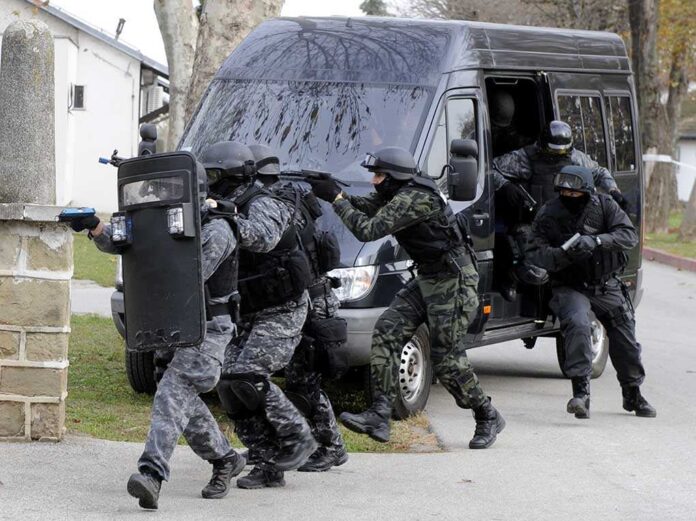
Brazilian authorities deployed an unprecedented force of 2,500 police officers and soldiers in a coordinated strike against a major drug-trafficking organization. The operation’s scale demonstrates the Brazilian government’s escalating response to organized crime that has plagued Rio de Janeiro for decades. This military-style approach reflects the severity of the criminal threat facing one of South America’s largest metropolitan areas.
Deadly Confrontations Erupt Across the City
The massive raid triggered intense gun battles throughout Rio, leaving at least 60 suspected gang members dead and 81 under arrest. These numbers place the operation among the deadliest police actions in Brazilian history, surpassing many previous anti-crime operations. The high casualty count underscores the heavily armed nature of drug trafficking organizations and their willingness to engage in direct combat with authorities.
Law enforcement officials faced fierce resistance from gang members who reportedly used military-grade weapons and coordinated defensive tactics. The suspects’ readiness to engage in prolonged firefights reveals the sophisticated nature of modern criminal organizations operating in Brazil’s urban centers.
Brazil’s War on Organized Crime Intensifies
This operation represents Brazil’s increasingly aggressive stance against drug trafficking networks that have terrorized communities and corrupted local institutions. The deployment of both police and military personnel signals a shift toward treating organized crime as a national security threat rather than merely a law enforcement issue. Such massive operations have become necessary as criminal organizations have grown more powerful and better equipped.
The Brazilian government’s decision to commit such substantial resources demonstrates recognition that traditional policing methods have proven inadequate against well-funded, heavily armed criminal enterprises. These gangs often control entire neighborhoods, collect taxes from residents, and maintain private armies that rival official security forces.
Questions Emerge About Operational Tactics
The extraordinarily high death toll has prompted scrutiny of the operation’s execution and rules of engagement. While Brazilian authorities defend the action as necessary against dangerous criminals, critics question whether such lethal force was proportionate. The 60-to-81 ratio of deaths to arrests raises concerns about whether surrender opportunities were adequately provided during the confrontations.
However, supporters argue that drug trafficking organizations have declared war on Brazilian society through decades of violence, extortion, and community intimidation. When criminals choose to engage police and military forces with automatic weapons, they accept the deadly consequences of their actions. The operation likely prevented countless future crimes and potentially saved innocent lives by dismantling a major criminal network.
Sources:
Largest ever police raid in Rio de Janeiro leaves at least 132 dead, public defender’s office says