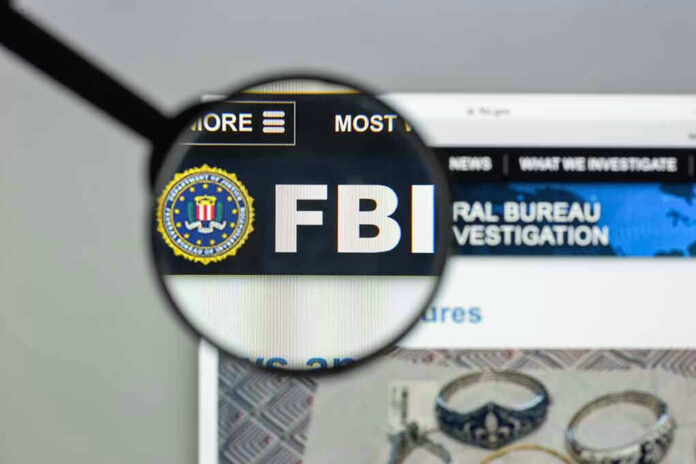
A newly released FBI document reveals Donald Trump placed a call to Palm Beach police during their 2006 Jeffrey Epstein investigation, telling the chief “thank goodness you’re stopping him, everyone has known he’s been doing this.”
Story Snapshot
- FBI interview notes from October 2019 document Trump’s July 2006 phone call to then-Police Chief Michael Reiter during the initial Epstein investigation
- Trump reportedly told Reiter he had banned Epstein from Mar-a-Lago and identified Ghislaine Maxwell as Epstein’s “evil” operative
- The documents surfaced following the Epstein Files Transparency Act signed in November 2025, which mandated release of previously sealed DOJ materials
- Trump claimed awareness that “everyone” in New York knew about Epstein’s criminal behavior and recounted leaving an Epstein event after seeing teenagers present
The 2006 Phone Call That Stayed Hidden for Nearly Two Decades
Former Palm Beach Police Chief Michael Reiter sat down with FBI agents in October 2019, two months after Jeffrey Epstein’s death in federal custody. During that interview, Reiter recounted a phone conversation from July 2006 that had never been publicly disclosed. Trump, then a prominent businessman with deep Florida ties, had reached out as details of the Epstein investigation began hitting local media. The call painted Trump as supportive of law enforcement efforts to bring Epstein down, a stark contrast to the social relationship the two men had maintained throughout the 1990s and early 2000s.
The FBI summary captures Trump’s specific comments during that conversation. Trump told Reiter that he had thrown Epstein out of Mar-a-Lago, his exclusive Palm Beach club. He described Maxwell as Epstein’s operative, using the word “evil” to characterize her role. Trump also claimed New York circles had long known about Epstein’s predatory behavior. Most telling, Trump recounted attending an Epstein event where he noticed teenagers present and promptly left. These details, now documented in federal records, provide the most direct evidence yet of Trump’s early awareness and alleged distancing from Epstein’s criminal activities.
The Investigation That Started It All
Palm Beach police opened their investigation into Epstein in April 2005 after parents reported that their underage daughters had been recruited for sexual massages at his waterfront mansion. Chief Reiter led a probe that would uncover a pattern of abuse involving girls as young as 14. By mid-2006, evidence had mounted sufficiently for a grand jury indictment, though it resulted in just one count of solicitation of prostitution. Reiter clashed publicly with local prosecutors over what he viewed as inexcusable leniency, even issuing a rare public apology to victims. His frustration led him to push evidence toward federal investigators, hoping for more serious charges.
Trump’s call came in July 2006, precisely when the investigation transitioned from local rumor to front-page news and federal involvement. The timing matters because it shows Trump reaching out not in 2019 when Epstein was arrested again, but during the initial probe when many in elite circles still treated Epstein as untouchable. Reiter was not available for comment regarding the newly released FBI document, but his 2019 interview provides the only documented account of Trump’s outreach. The call placed Trump in a unique position among Epstein’s wealthy associates: someone who contacted law enforcement rather than lawyers to protect himself.
From Friends to Foes: The Trump-Epstein Timeline
Trump and Epstein moved in the same Manhattan and Palm Beach social circles throughout the 1990s. Photos show them together at parties. Trump famously told New York Magazine in 2002 that Epstein was “a terrific guy” who enjoyed women “on the younger side.” They shared flights and attended events at each other’s properties. This relationship makes the 2006 phone call more significant, suggesting a deliberate break rather than simple avoidance. Trump has consistently claimed he banned Epstein from Mar-a-Lago years before the investigation, allegedly over a dispute involving inappropriate behavior toward a member’s daughter, though the exact timeline of that ban has never been independently verified through club records.
The newly released FBI document adds weight to Trump’s long-standing claim that he distanced himself early. Trump has maintained since 2019 that he barely knew Epstein and had ended their association long before criminal charges surfaced. Critics have pointed to the 2002 quote and photographic evidence as proof of a closer relationship. Supporters now argue the 2006 call to Reiter demonstrates Trump took active steps to support law enforcement against Epstein, setting him apart from other wealthy figures who maintained ties or stayed silent. The document does not resolve the debate entirely, but it introduces contemporaneous evidence of Trump’s position during the investigation’s critical early phase.
The 2025 Transparency Push That Unsealed the Records
The FBI interview summary emerged as part of a massive document release triggered by the Epstein Files Transparency Act, which Congress passed and President Trump signed on November 18, 2025. Trump initially opposed the legislation for months before reversing course, raising questions about what motivated the change. The act mandated the DOJ release unredacted materials from Epstein-related investigations, including Maxwell depositions, surveillance footage, and investigative reports. More than three million documents are under review, with files still emerging. The release has reignited scrutiny of Epstein’s network and exposed previously unknown details about how elite circles responded to early allegations.
The files have created political complications beyond Trump. Cabinet members like Commerce Secretary Howard Lutnick face pressure over alleged Epstein connections, including reported emails discussing visits to Epstein’s private island. Victims’ advocates have called the releases long overdue, arguing the public deserves full transparency about how Epstein operated with apparent impunity for years. The Miami Herald, which first broke the story of the Trump-Reiter call, has been instrumental in analyzing the newly released documents. Journalists continue combing through materials, suggesting more revelations may emerge. The act represents a rare bipartisan agreement on government transparency, even as interpretations of the documents break along predictable political lines.
What the Document Reveals About Elite Accountability
The FBI summary raises uncomfortable questions about who knew what and when they knew it. Trump’s alleged comment that “everyone” in New York knew about Epstein implies widespread awareness among the wealthy and powerful, yet Epstein continued operating for years after the Palm Beach investigation. The 2008 non-prosecution agreement gave Epstein a sweetheart deal: 13 months in a county jail with work release privileges, despite federal evidence supporting far more serious charges. That deal, orchestrated by then-U.S. Attorney Alexander Acosta, became a symbol of two-tiered justice. Reiter’s decision to document Trump’s call in his 2019 FBI interview suggests he viewed it as significant, possibly as evidence that some individuals were willing to support prosecution while others enabled Epstein.
For Trump supporters, the document vindicates claims that he broke with Epstein early and supported law enforcement. For critics, it raises questions about why Trump did not speak publicly about Epstein’s behavior if he truly believed “everyone” knew. The document also highlights Reiter’s role as an outlier: a law enforcement official who pushed back against political pressure and prosecutorial timidity. His 2006 public apology to victims, issued when he felt the grand jury process was failing them, marked him as unusually willing to prioritize justice over institutional convenience. The files underscore the gap between what powerful people knew privately and what they were willing to say publicly, a gap that allowed Epstein to victimize dozens more girls before his 2019 arrest.
Sources:
Ex-police chief says Trump told him ‘thank goodness you’re stopping’ Epstein in 2000s – ABC News
Relationship of Donald Trump and Jeffrey Epstein – Wikipedia