
Vice President JD Vance’s tie-breaking vote shielded President Trump’s aggressive Venezuela strategy from congressional handcuffs, exposing raw power dynamics in Washington.
Story Snapshot
- JD Vance cast the decisive 50-50 tiebreaker on January 14, 2026, to kill Sen. Tim Kaine’s war powers resolution targeting U.S. actions in Venezuela.
- Sens. Josh Hawley and Todd Young flipped their votes under Trump’s direct pressure, securing Rubio’s assurances against ground troops.
- Trump’s social media blasts and calls forced GOP unity, affirming executive flexibility against Maduro’s regime and drug threats.
- The move upholds constitutional executive authority while Democrats decry endless war risks.
- No U.S. hostilities confirmed, but naval buildup and a “snatch-and-grab” memo fuel oversight debates.
Senate Deadlock and Vance’s Decisive Vote
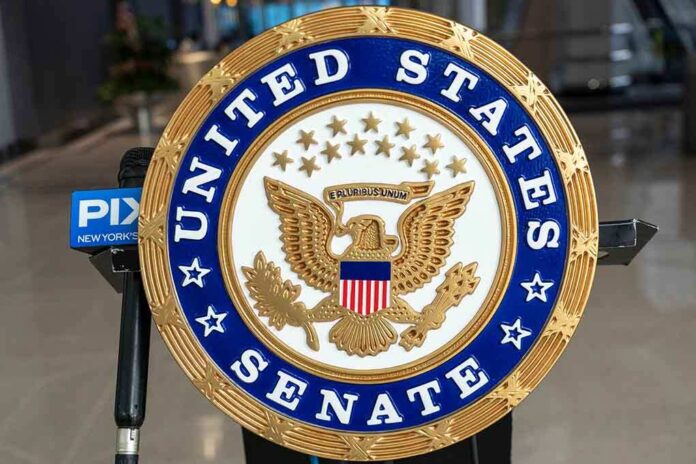
JD Vance delivered the tie-breaking vote in a 50-50 Senate split on January 14, 2026. This action dismissed Sen. Tim Kaine’s resolution barring U.S. forces from Venezuela hostilities without Congress approval. The vote halted further debate after procedural advancement the prior week. Five Republicans initially joined Democrats, but pressure shifted the outcome.
Sens. Josh Hawley and Todd Young reversed support following Trump’s interventions. Trump named dissenters on social media and made direct calls. Secretary of State Marco Rubio’s letter promised no ground troops and War Powers Resolution compliance. This sealed their flip, ensuring dismissal.
Senate Foreign Relations Chair Jim Risch and Majority Leader John Thune backed dismissal. They labeled the resolution unnecessary since no hostilities occurred. Sens. Susan Collins, Lisa Murkowski, and Rand Paul opposed, upholding congressional checks.
Trump’s Pressure Tactics and GOP Flips
Trump escalated via public posts and phone calls targeting Hawley and Young. Rubio’s assurances addressed war powers concerns without binding limits. The administration released a redacted 22-page Justice Department memo on January 14, detailing a “snatch-and-grab” operation against Maduro but denying substantial plans. Naval deployments countered drug cartels designated as terrorists.
Hawley cited Rubio’s no-ground-troops pledge as sufficient. Young aligned similarly. Trump stated, “We’re getting along very well with Venezuela,” downplaying tensions. This episode demonstrates Trump’s command over Senate Republicans, prioritizing flexibility against Maduro’s threats.
Democrats like Chuck Schumer criticized Republicans for enabling endless war. Kaine pushed debate on the legal rationale amid Caribbean naval buildup. Murkowski stressed Congress as coequal branch, questioning undefined end states. Facts support GOP assurances as pragmatic, aligning with conservative emphasis on strong executive defense.
War Powers Roots and Broader Implications
The 1973 War Powers Resolution mandates 48-hour notifications and 60-day withdrawal without authorization. Kaine’s measure invoked this against Trump’s Venezuela campaign. No forces engage hostilities now, per administration claims. House Democrats eye parallel votes; Kaine plans more, including on Greenland threats.
Short-term, the vote affirms Trump’s control and secures notifications. Long-term, it weakens enforcement, setting precedents for interventions. U.S. military postures regionally; Venezuelan allies and cartels face pressure. Political rifts highlight GOP loyalty tests amid aggressive foreign policy.
Rubio testifies soon. Conservative values favor executive action against threats like Maduro’s drug-fueled regime over Democratic overreach. Facts confirm no imminent war, validating Vance’s vote as common-sense restraint on partisan blocks.
Sources:
Vance casts tiebreaking vote to kill Venezuela war powers resolution