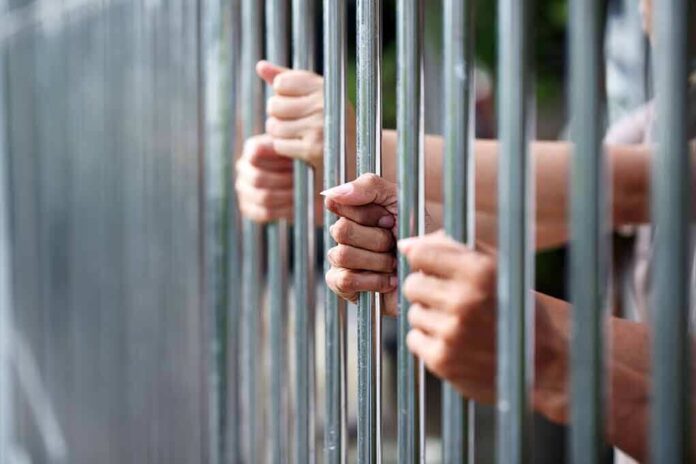
When prison inmates start getting gourmet drone deliveries, you are not watching a joke—you are watching the future of crime logistics testing its limits on a South Carolina fence line.
Story Snapshot
- Officers at a violent South Carolina prison stopped a drone-loaded “holiday feast” of steak, crab legs, Old Bay, weed, and cigarettes meant for inmates.
- Behind the comedy of crab boils and Marlboros sits a deadly serious national crisis of drone-driven prison contraband.
- Georgia prisons alone logged nearly 400 drone incidents in 2025, with drones powerful enough to lift more than most adult men.
- Taxpayers are funding a high-tech arms race between correctional officers and organized smuggling networks.
Gourmet Contraband Meets One Of America’s Toughest Prisons
Prison officers at Lee Correctional Institution in Bishopville, South Carolina, looked up on a December morning and caught something that sounded like a comedy sketch but read like a security report: a drone carrying raw steak, plastic-wrapped crab legs, Old Bay Seasoning, Marlboro cigarettes, marijuana, and loose tobacco headed for the yard. The South Carolina Department of Corrections leaned into the absurdity online with a #ContrabandChristmas post, joking about an early holiday crab boil planned behind razor wire.
Lee is not a quaint county jail. It is a men’s-only, split-custody prison built for violent offenders, long sentences, and inmates with serious behavioral issues. In 2018, seven inmates were killed and 17 injured there in one of the deadliest U.S. prison riots in decades. Just a week before the intercepted “gourmet drop,” two more inmates died in separate attacks, both investigated as suspected homicides. That is the real backdrop for the lighthearted Old Bay jokes.
From Crab Boils To Criminal Supply Chains
Drone contraband is not a quirky local problem; it is a growing supply chain strategy. South Carolina’s corrections spokeswoman admitted they “fight nightly attacks from drones” dropping drugs like fentanyl and meth into prison yards, and officers go to “extraordinary lengths” trying to stop them. Lee has been a hotspot for years. A prior eight-month investigation there led to 20 arrests, 12 seized drones, and about 100 pounds of contraband, plus abandoned drones found in nearby woods.
Georgia shows what happens when this problem scales. Corrections staff there reported nearly 400 drone incidents in 2025 at state prisons, with the trend line going the wrong way. January saw 17 incidents; by September and October, that figure jumped to 63 each month, up from 39 a year earlier. One facility, Valdosta State Prison, has shouldered a disproportionate share. When numbers like that appear in government briefings, the issue has moved from “odd news” to systemic failure territory.
High-Tech Drones, Thin Staff, And Old-School Common Sense
Georgia’s corrections commissioner told lawmakers his officers have confiscated drones capable of lifting 220 to 225 pounds, with others rated for 80 to 90 pounds—payloads heavier than the average adult male. That kind of capacity suggests serious money and organization behind the scenes, not bored hobbyists. Investigators describe football-sized contraband bundles wrapped in black tape, sometimes tossed over fences, sometimes flown in, all designed to overwhelm thin staffing and outdated defenses.
The staffing story matters more than any drone model number. Georgia prisons operate around a 1:14 staff-to-prisoner ratio while aiming for 1:11. Administrators say they receive more than 900 applicants a month, yet many wash out over background checks, drop out of the process, or simply never show up. Turnover sits near 23–24 percent. When one officer is effectively responsible for watching more than a dozen inmates in a system already known for violence, drone drops are not just clever—they are predictable.
Crime, Corruption, And The Cost To Taxpayers
Contraband does not move without help on both sides of the fence. Georgia logged nearly 700 contraband-related cases in the 2025 fiscal year alone: 48 prison staff arrested, 120 inmates hit with new charges, and 362 civilians charged. Those are not fringe numbers; they describe a self-reinforcing ecosystem where outside smugglers, corrupt insiders, and imprisoned buyers form a full supply chain. From a conservative, common-sense standpoint, that looks like a failure of enforcement, culture, and accountability, not a shortage of slogans.
Meanwhile, the bill keeps landing on taxpayers’ desks. Counties now pay to store confiscated drones. State corrections departments lobby for new money to buy detection tech, hire and train staff, and investigate smuggling rings. In the 2024 fiscal year, Georgia reported 16,633 contraband devices in or intercepted at prisons, more than 18,600 in 2025, and nearly 7,000 already logged this fiscal year, including phones, tablets, and controller storage devices. Every one of those devices increases the reach of inmates who already proved willing to break the law.
Sources:
WSB-TV: Corrections staff report nearly 400 drone incidents at Georgia state prisons in 2025
Corrections1: Old Bay seasoning and pot: S.C. prison intercepts drone with gourmet contraband
Local12: Authorities intercept drone carrying steak, crab legs, weed for prison inmates
La Voce di New York: Drone drops Christmas contraband inside South Carolina prison yard